Publication of Editorial in Circulation: Cardiovascular Imaging || L'Équilibre Périlleux: Mental Stress and Inflammation in Women || EN
Publication of Editorial in Circulation: Cardiovascular Imaging || L'Équilibre Périlleux: Mental Stress and Inflammation in Women || EN
Link to article here
Publication of Editorial in the Journal of Cardiothoracic and Vascular Anesthesia || Unravelling the Impact of Gender Disparities in Cardiac Surgery || EN
Publication of Editorial in the Journal of Cardiothoracic and Vascular Anesthesia || Unravelling the Impact of Gender Disparities in Cardiac Surgery || EN
Video summarizing the results of our study "Impact of sex and gender on post-COVID-19 syndrome" || DE
Video summarizing the results of our study "Impact of sex and gender on post-COVID-19 syndrome" || DE
Link to youtube here
Publication of article in Eurosurveillance || Impact of sex and gender on post-COVID-19 syndrome, Switzerland, 2020 || EN
Publication of article in Eurosurveillance || Impact of sex and gender on post-COVID-19 syndrome, Switzerland, 2020 || EN
Women are overrepresented among individuals with post-acute sequelae of SARS-CoV-2 infection (PASC). Biological (sex) as well as sociocultural (gender) differences between women and men might account for this imbalance, yet their impact on PASC is unknown. We assessed the impact of sex and gender on PASC in a Swiss population.
Our multicentre prospective cohort study included 2,856 (46% women, mean age 44.2 ± 16.8 years) outpatients and hospitalised patients with PCR-confirmed SARS-CoV-2 infection.ResultsAmong those who remained outpatients during their first infection, women reported persisting symptoms more often than men (40.5% vs 25.5% of men; p < 0.001). This sex difference was absent in hospitalised patients. In a crude analysis, both female biological sex (RR = 1.59; 95% CI: 1.41-1.79; p < 0.001) and a score summarising gendered sociocultural variables (RR = 1.05; 95% CI: 1.03-1.07; p < 0.001) were significantly associated with PASC. Following multivariable adjustment, biological female sex (RR = 0.96; 95% CI: 0.74-1.25; p = 0.763) was outperformed by feminine gender-related factors such as a higher stress level (RR = 1.04; 95% CI: 1.01-1.06; p = 0.003), lower education (RR = 1.16; 95% CI: 1.03-1.30; p = 0.011), being female and living alone (RR = 1.91; 95% CI: 1.29-2.83; p = 0.001) or being male and earning the highest income in the household (RR = 0.76; 95% CI: 0.60-0.97; p = 0.030).
Specific sociocultural parameters that differ in prevalence between women and men, or imply a unique risk for women, are predictors of PASC and may explain, at least in part, the higher incidence of PASC in women. Once patients are hospitalised during acute infection, sex differences in PASC are no longer evident.
Link to article here
Publication of book || Gendermedizin in der klinischen Praxis || DE
Publication of book || Gendermedizin in der klinischen Praxis || DE
Noch immer ist nicht klar, warum Männer mehr und früher im Leben Herzinfarkte haben, aber jüngere Frauen ein höheres Risiko, an einem erlittenen Infarkt zu versterben. 90 % der plötzlichen Herztodesfälle beim Sport und die Mehrzahl der Kardiomyopathien und Myokarditiden betreffen Männer, aber die stressinduzierte Herzerkrankung, das Takotsubo-Syndrom, zu 90 % postmenopausale Frauen. In den Gefäß- und Herzzellen finden sich genetisch und hormonell verursachte Geschlechterunterschiede. Gender, Stress, Depression und das Zusammenspiel von Herz, Immunsystem und Gehirn beeinflussen das Auftreten und den Verlauf von Herzerkrankungen geschlechtsspezifisch. Blutdrucke im Verlauf des Lebens unterscheiden sich bei den Geschlechtern. Das Risiko von Schwangerschaftskomplikationen für Herz-Kreislauf-Erkrankungen (HKE) muss stärker berücksichtigt werden. Kardiovaskuläre Medikamente müssen für Männer und für Frauen optimiert werden. Frauen profitieren ebenso wie die Männer von interventioneller Therapie.
Link zum Buchkapitel 'Geschlechtsspezifische Aspekte bei Herz-Kreislauf-Erkrankungen' hier.
Congratulations to Adriana Vinzens!
Congratulations to Adriana Vinzens!
Warm congratulations to Adriana, who has completed her master's thesis on the topic "Prognostic Value of Perivascular Adipose Tissue Attenuation in Patients Undergoing Transcatheter Aortic Valve Implantation" with the highest grade at the University of Zurich!
Two Gebhard Labs Unite
Two Gebhard Labs Unite
After many years of successful collaboration in the field of Gender Medicine and Women’s Health in Switzerland, Caroline Gebhard, intensivist and anesthesiologist at the University Hospital Basel, and Catherine Gebhard, cardiologist at the University Hospital Bern and the University of Zurich, have united their research groups in order to accomplish together their common goal of reaching gender equality in medicine in Switzerland.

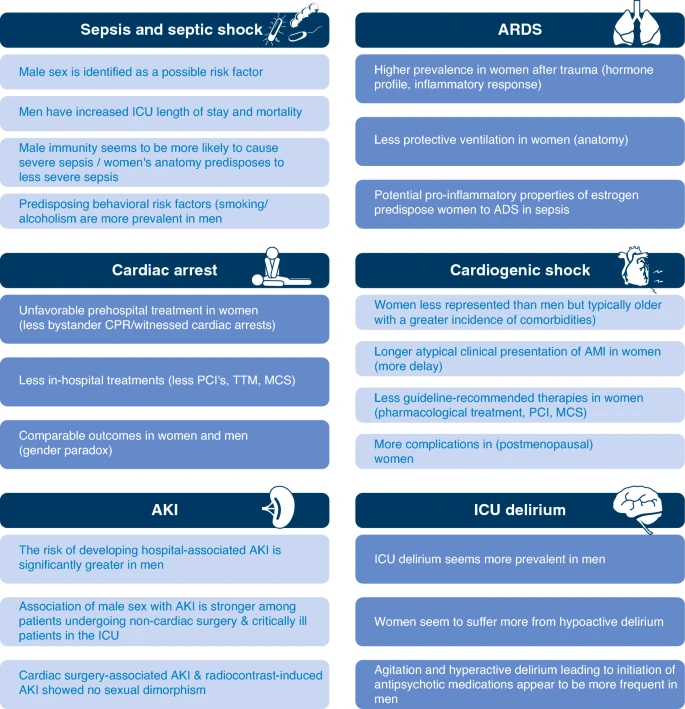
Publication of review article in Intensive Care Medicine || Sex and gender differences in intensive care medicine || EN
Publication of review article in Intensive Care Medicine || Sex and gender differences in intensive care medicine || EN
This review highlights how both biology and sociocultural factors contribute to gender disparities in the provision of intensive care resources, common ICU diseases and outcomes. Link to full text article here.
Publication of review article in the European Heart Journal: Cardiovascular Imaging || Tales from the future - nuclear cardio-oncology, from prediction to diagnosis and monitoring || EN
Publication of review article in the European Heart Journal: Cardiovascular Imaging || Tales from the future - nuclear cardio-oncology, from prediction to diagnosis and monitoring || EN
Cancer and cardiovascular disease often share common risk factors, and patients with cardiovascular disease who develop cancer are at high risk of experiencing major adverse cardiac events. Additionally, cancer treatment can induce short- and long-term adverse cardiovascular events. Given the improvement in oncological patients' prognosis, the burden in this vulnerable population is slowly shifting towards increased cardiovascular mortality. Consequently, the field of cardio-oncology is steadily expanding, prompting the need for new markers to stratify and monitor the cardiovascular risk in oncological patients before, during, and after the completion of treatment. Advanced noninvasive cardiac imaging has raised great interest in the early detection of cardiovascular diseases and cardiotoxicity in oncological patients. Nuclear medicine has long been a pivotal exam to robustly assess and monitor the cardiac function of patients undergoing potentially cardiotoxic chemotherapies. In addition, recent radiotracers have shown great interest in the early detection of cancer treatment-related cardiotoxicity. In this review, we summarize the current and emerging nuclear cardiology tools that can help identify cardiotoxicity and assess the cardiovascular risk in patients undergoing cancer treatments, and discuss the specific role of nuclear cardiology alongside other noninvasive imaging techniques. Link to full article here.
Stadtspital Zürich Triemli
Institut für Intensivmedizin
Birmensdorferstrasse 497
CH-8063 Zürich
University Hospital Zurich
Department of Nuclear Medicine
Cardiovascular Gender Medicine
Rämistrasse 100
CH-8091 Zurich
University of Basel
Department of Clinical Research
Petersgraben 4
CH-4031 Basel
Neueste Kommentare